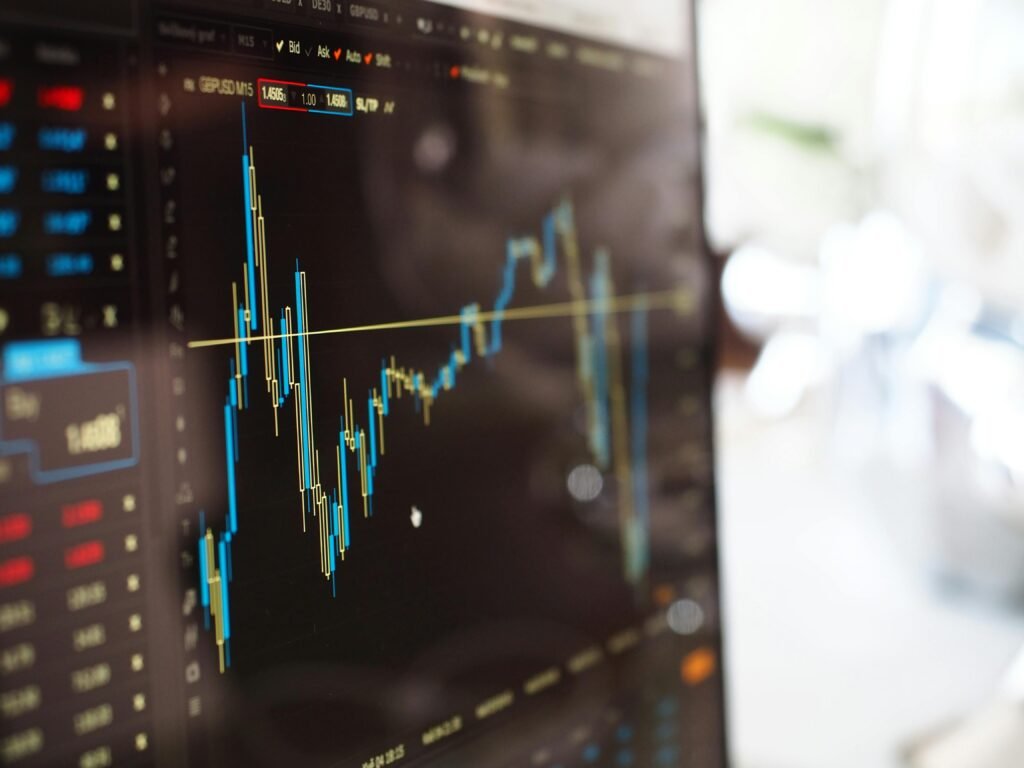
Financial markets move through cycles of expansion and contraction, commonly referred to as bull markets and bear markets. These phases represent periods of strong growth followed by times of decline, uncertainty, or slower economic activity.
Understanding market cycles is crucial for long-term investing. It helps reduce emotional decision-making and supports more consistent outcomes. These decisions are typically guided by a broader framework — you can learn more about how investment strategies are structured in practice.
Market volatility is a normal part of investing, and recognising how these cycles work allows investors to maintain a disciplined approach aligned with their financial objectives and personal circumstances.
Market cycles are especially relevant when approaching retirement, as portfolio positioning becomes increasingly important in managing risk and supporting sustainable income across different market conditions.
Understanding market cycles can provide valuable clarity on how investment portfolios should be structured to balance capital growth and risk over time.
What Are Market Cycles?
A market cycle is the natural pattern of expansion and contraction in financial markets over time. Markets rarely move in a straight line; instead, they experience phases of:
Strong economic growth
Rising asset prices
Slowing economic activity
Declining asset prices
These phases are influenced by several factors including:
Economic growth
Interest rates
Inflation (Inflation plays a key role in shaping market cycles — particularly when considering how inflation impacts long-term investment returns).
Corporate earnings
Investor sentiment
For individuals seeking investment advice, understanding market cycles is important because markets have historically moved through these phases repeatedly over long periods.
Types of Market Cycles
Understanding the different types of market cycles is essential for investors who want to make informed investment decisions and achieve their financial goals. Market cycles reflect the natural fluctuations in the stock market, influenced by a range of factors including economic indicators, investor sentiment, and global events. The most common types of market cycles include bull markets, bear markets, and neutral or sideways markets.
A bull market is characterised by a sustained rise in stock prices, often driven by strong economic growth and positive investor sentiment. In contrast, a bear market involves a prolonged decline in stock prices, typically resulting from economic slowdowns or negative market sentiment. Neutral markets, sometimes called sideways markets, occur when stock prices remain relatively stable without significant upward or downward movement.
For investors, recognising these cycles is crucial to creating an investment strategy that aligns with their financial goals. By understanding where the market is in its cycle, investors can make more informed decisions about when to buy, hold, or sell shares. Seeking professional advice from experienced financial advisers, such as tailored investment and portfolio management advice, can help you navigate these cycles, tailor your investment approach, and create a plan that supports your long-term objectives. Staying informed and proactive ensures your investment strategy remains aligned with your evolving financial needs.
What Is a Bull Market?
A bull market refers to a period where financial markets are generally rising. Bull markets are typically characterised by:
Strong economic growth
Rising corporate profits
Increasing investor confidence
Expanding employment and consumer spending
During bull markets, asset prices such as shares tend to increase steadily over time. These periods often last several years and represent the times when investors generate the majority of their long-term investment returns. Compared to traditional savings accounts, investing in shares can give your money the chance to earn better returns than it would if left in a bank account, although shares carry higher risk than savings.
A structured approach helps ensure investment decisions remain aligned with long-term objectives, even during periods of market volatility.
What Is a Bear Market?
A bear market is a sustained period where financial markets decline significantly, typically defined as a drop of 20% or more from previous highs. Bear markets are often associated with:
Economic slowdown
Falling corporate profits
Rising unemployment
Reduced consumer confidence
Bear markets can create uncertainty and volatility in investment portfolios but are a normal and expected part of long-term investing. These periods are explored in more detail when looking at what happens to shares during a market crash.
Why Market Cycles Occur
Market cycles are influenced by the broader economic environment. Key contributing factors include:
Economic growth and contraction: Strong growth supports rising corporate earnings and higher asset prices, while slowdowns can lead to market declines.
Interest rate movements: Changes in interest rates affect borrowing costs, investment activity, and asset valuations.
Inflation: Higher inflation can impact corporate profitability and consumer purchasing power.
Investor sentiment: Market behaviour is shaped by optimism during growth phases and fear during downturns.
Market cycles are an inherent part of investing, and recognising this helps investors avoid reactive decisions during periods of volatility. A disciplined approach, grounded in long-term strategy rather than short-term market movements, is essential.You can explore this further when considering why long-term investment strategy matters more than market timing.
Economic Indicators and Market Cycles
Economic indicators play a significant role in shaping market cycles and influencing investor confidence. Key indicators such as GDP growth, inflation rates, and unemployment figures provide valuable insights into the health of the economy and can signal potential shifts in the stock market. For example, robust GDP growth often leads to increased corporate earnings and can trigger a bull market, while rising inflation or higher unemployment rates may contribute to a bear market.
Staying up-to-date with market news and monitoring these economic indicators is essential for making informed investment decisions. Resources like the Australian Securities Exchange and free financial advice and planning guides offer timely updates and analysis to help investors understand current market conditions. When considering your investment options, it’s important to factor in your personal financial situation, risk tolerance, and investment goals. Financial planning and seeking investment advice from qualified professionals can help you interpret economic data and adjust your strategy accordingly.
By aligning your investment decisions with both market conditions and your individual objectives, you can better manage risk and work towards achieving your financial goals. Remember, informed decisions are the foundation of successful investing.
Geopolitical Events and Market Cycles
Geopolitical events—such as elections, international conflicts, and trade agreements—can have a significant impact on market cycles, often introducing volatility and uncertainty into the stock market. These events can influence investor sentiment, disrupt global supply chains, and affect the performance of various industries and companies.
For investors, it’s important to stay informed about current market news and understand how geopolitical developments might affect your portfolio. Adopting a proactive approach to investing means regularly reviewing your investment strategy and being prepared to adjust your holdings in response to changing global circumstances. Working with financial advisers who follow an evidence-based, holistic advice approach can help you manage risk, maintain a diversified portfolio, and ensure your investment approach remains aligned with your long-term financial goals and risk tolerance.
By seeking professional advice and staying up-to-date with both economic indicators and geopolitical events, you can make more confident investment decisions and create a resilient portfolio designed to achieve your financial objectives, no matter how the global landscape evolves.
How Long Do Market Cycles Last?
The duration of market cycles varies widely:
Bull markets often last several years, sometimes extending over a decade.
Bear markets tend to be shorter but more intense, lasting months to a few years.
Historically, markets have recovered from downturns and continued growing over long time horizons. This long-term growth trend is why growth assets like shares are often included in superannuation portfolios.
How Market Cycles Affect Investment Portfolios
Market cycles impact investment portfolios differently during each phase:
During bull markets:
Growth assets such as shares perform strongly.
Portfolios increase in value.
Investor confidence rises.
Buying shares during a bull market can seem attractive, but it’s important to focus on share value and not just the rising market.
During bear markets:
Asset prices decline.
Portfolio volatility increases.
Investors may feel pressure to sell shares.
Buying shares in a bear market requires careful consideration of the risks, especially with falling share prices.
Selling decisions are as critical as buying decisions to your results in the share market.
Market Cycles and Retirement Planning
Market cycles are especially important for individuals approaching retirement. When drawing income from investments, market declines can significantly impact long-term portfolio sustainability—a risk known as sequencing risk.
To manage this risk, the following strategies may be considered:
Maintaining diversified portfolios
Holding defensive assets such as fixed interest and cash
Structuring retirement income strategies to balance withdrawals and market exposure
These approaches help reduce the impact of market volatility on retirement income streams. Maximizing government assistance programs and understanding available benefits, such as Centrelink, can further enhance retirement planning by ensuring clients receive all financial advantages they are entitled to. Comprehensive financial planning includes retirement planning, life insurance advice, and debt management.
The Importance of Staying Invested
One common mistake investors make during market downturns is selling investments in response to short-term declines. While this reaction is understandable, it can harm long-term investment outcomes.
Markets often recover after bear phases, and investors who sell shares during downturns may miss subsequent recoveries and growth opportunities. Building investment knowledge through self-education can help investors maintain confidence and avoid emotional decisions. Access to quality education and learning resources also supports disciplined investment strategies and long-term financial success.
Diversification and Market Cycles
Diversification is one of the most effective ways to manage the risks associated with market cycles. A diversified portfolio typically includes a mix of:
Australian shares
International shares
Fixed interest investments
Cash and other defensive assets
Because different asset classes perform differently during market cycles, diversification reduces overall portfolio volatility and risk.
For individuals seeking superannuation advice, diversified investment strategies are commonly employed within super funds to manage risk across various market conditions.
The Role of Long-Term Investing
Historically, investors who remain invested through multiple market cycles benefit from overall market growth. Short-term volatility can be uncomfortable, but markets generally trend upward over longer time horizons. When making investment decisions, it is important to assess a company’s future prospects, including its growth potential and projected performance, to help gauge long-term viability.
Investment strategies should also adapt to different stages of life, ensuring your financial plan aligns with your current circumstances and future goals.
Financial advisers encourage focusing on:
Long-term investment strategies
Diversified portfolios
Disciplined investment approaches
Why Professional Investment Advice Matters
While understanding market cycles is important, implementing an effective investment strategy requires careful planning and expertise. Key considerations include:
Asset allocation aligned with risk tolerance
Investment time horizon
Retirement and financial goals
Tax implications
A professional financial adviser can provide personal financial advice, which is distinct from general advice because it is tailored to your specific financial situation, goals, and needs. Personal financial advice is in your best interests and ensures investment strategies remain aligned with long-term objectives, even during volatile markets.
How Money Path Can Help
At Money Path, founder Harry assists individuals and families across Adelaide in developing clear, practical financial strategies that support long-term financial security, with a strong focus on protecting your family’s future through comprehensive planning for estate, insurance, and aged care needs.
Clients also gain access to exclusive resources, research insights, and investment opportunities designed to enhance financial knowledge and decision-making.
Our services include tailored:
Investment advice
Retirement planning advice
Superannuation advice
Diversified portfolio construction
Market cycle management
Retirement income structuring
Long-term financial planning
During periods of market uncertainty, staying focused on long-term financial objectives is essential. Professional guidance can help bring structure and clarity to decision-making during these times.
Frequently Asked Questions
What is a bull market?
A bull market is a period where financial markets are generally rising, supported by strong economic growth and positive investor sentiment.
What is a bear market?
A bear market is a period of significant market decline, typically a drop of 20% or more from previous highs.
Are market cycles normal?
Yes, market cycles of growth and decline are a natural and expected part of investing, occurring throughout history.
Should investors sell during a bear market?
Selling during downturns can lock in losses and cause investors to miss market recoveries. Maintaining long-term investment strategies is often more beneficial.
How do market cycles affect superannuation?
Superannuation portfolios often include growth assets like shares, causing balances to fluctuate with market cycles. Long-term horizons allow portfolios to recover and grow over time.
What is a broker and what do they do?
A broker is a third-party intermediary who facilitates the buying and selling of shares on a stock exchange. Investors must use a broker to execute trades, and most brokers require a minimum first trade of $500, known as the ‘minimum marketable parcel of shares’.
What is an account in the context of savings and investments?
An account, such as a savings account or investment account, is where you hold your funds or investments. Savings accounts often offer features like high-interest rates and may have withdrawal notice periods. Investment accounts can be used to buy shares or other assets, and it’s important to compare features like interest rates, fees, and access to funds.
What are some well-known Australian companies on the ASX?
Examples of prominent Australian companies include Commonwealth Bank, BHP, CSL, and Wesfarmers. These companies are widely traded on the ASX and are often included in major market indices due to their size and influence.
What is a share and what does it represent?
A single share represents a single unit of ownership in a company. When you buy shares, you own a small part of that business and may benefit from its growth and dividends.
What is the minimum investment required to buy shares?
Most brokers require your first trade to be at least $500, called the ‘minimum marketable parcel of shares’. The ASX suggests starting with at least $2,000 as a general guide for new investors.
Are there fees when buying or selling shares?
Yes, each time you buy or sell shares, you pay a brokerage fee in addition to the price of the shares.
**Is researching and choosing companies to invest in enjoyable?
Many investors find researching and selecting companies to invest in enjoyable, especially when focusing on sectors or businesses that align with their personal interests. There are many tips and resources available to help guide your investment decisions, and small business advice considerations for Adelaide business owners can also be valuable for those investing in or running local enterprises.
How can I check a financial advisor’s qualifications?
You can check an advisor’s qualifications and registration on Moneysmart.gov.au by searching the ASIC Financial Advisers Register.
Who can give personal financial advice?
Anyone providing personal financial advice must hold an Australian financial services licence.
What is the difference between general and personal financial advice?
General financial advice does not take into account your personal situation or goals, while personal financial advice is tailored to your individual needs. You can choose which type of advice suits you best.
How can I find out what a financial adviser offers?
The best way to see what a financial adviser offers is to read their Financial Services Guide, which outlines their services, fees, and qualifications.
Do financial advisers charge for the first meeting?
Financial advisers don’t usually charge you for the first meeting, allowing you to discuss your needs and see if their services are right for you.
What makes a good financial adviser?
A good adviser will take the time to get to know you, keep you informed, and help you achieve your financial goals.
Final Thoughts
Bull and bear markets are natural parts of investing. While downturns can be unsettling, they are typically temporary phases within longer-term growth cycles.
Understanding market cycles helps build confidence in long-term strategies and supports more disciplined decision-making during periods of volatility.
A structured approach ensures investment portfolios remain aligned with financial objectives, even as markets fluctuate over time.