


A financial plan that actually works is not a vague intention to “be better with money.” It is a written document with specific numbers, real dates, and clear actions tied to your life events—whether that’s buying a home in 2028, paying off credit card debt by March 2027, or reaching a comfortable retirement age.
For Australians navigating rising living expenses, shifting interest rates, and income uncertainty in the mid-2020s, a robust financial plan provides a framework for making confident financial decisions. This guide walks you through a practical, step-by-step approach to building your own financial plan. You can start simple and add complexity as your capacity grows—covering cash flow, saving, debt, investing, superannuation, insurance, tax planning, and estate planning across the ten steps that follow.

Step 1: Map your current financial position in black and white
You cannot build a working financial strategy without a precise snapshot of your current financial situation. Start by documenting your numbers as at a specific date—for example, 30 June 2026.
List your assets with approximate market values:
Cash and savings accounts
Term deposits
Superannuation balances (check all accounts from past jobs)
Investment accounts, shares, or managed funds
Property (owner-occupied and investment)
Vehicles at current market value
List your liabilities with interest rates and terms:
Credit cards (note the rate—typically 18–22%)
Buy-now-pay-later balances
Personal loans
HECS/HELP debt
Car loans
Mortgages
Calculate your net worth by subtracting total liabilities from total assets. A negative net worth is common in early working life, particularly if you have a mortgage or education debt. This snapshot becomes your baseline for tracking progress.
A finished one-page financial snapshot might show: $250,000 home, $200,000 mortgage, $85,000 in super, $5,000 in savings, and $3,000 credit card debt—giving you a clear picture of where you stand.
Step 2: Get control of cash flow with a realistic 12-month budget
Cash flow control directly affects your ability to hit financial goals like saving a house deposit or clearing a credit card by December 2026. When you understand exactly where your income goes each month, you gain the power to redirect money toward what matters.
Review at least three months (ideally 12 months) of bank and card statements to calculate your average monthly income and expenses.
Group expenses into categories:
Housing (rent or mortgage, body corporate)
Utilities (electricity, water, gas, internet, phone)
Groceries and household essentials
Transport (fuel, public transport, parking, maintenance)
Insurance premiums
Debt repayments
Subscriptions (streaming, apps, memberships)
Childcare and schooling
Discretionary spending (dining out, entertainment, clothing)
Annualise irregular costs: If your electricity bill is $450 every quarter, budget $150 per month. Annual car registration of $600 becomes $50 per month. Christmas gifts totalling $1,200 across the year become $100 per month.
Once you identify your surplus, decide in advance where it goes—for example, 40% to your emergency fund, 40% to debt repayment, and 20% to investments. This transforms your budget from record-keeping into a strategic planning tool.

Step 3: Turn vague hopes into specific, dated financial goals
Goals like “save more” or “be better with money” do not provide direction. A working financial strategy requires dated, measurable targets.
Organise goals by timeframe:
Short-term (0–2 years): Emergency fund, clearing high-interest debt
Medium-term (3–7 years): Home deposit, vehicle replacement, professional qualifications
Long-term (8+ years): Retirement savings, superannuation targets, investment portfolio growth
Example goals with specific amounts and dates:
Clear $5,000 credit card balance by 31 March 2027
Build $15,000 emergency fund by 30 June 2027
Save $50,000 home deposit by 30 June 2028
Reach $200,000 superannuation balance by age 45
Achieve $120,000 annual investment income by age 60
Use the SMART framework to convert vague aspirations into actionable targets. “Retire comfortably” becomes “Retire at age 67 with projected annual income of $60,000 from investments and superannuation.” Each section of your plan should tie back to at least one of these written goals.
Step 4: Build and protect your emergency fund
An emergency fund is often the first goal that makes your entire financial strategy more resilient. It protects you from unexpected expenses like job loss, medical bills, car repairs, or appliance breakdowns—preventing small setbacks from forcing high-interest borrowing.
Target amount: Aim for at least three months of essential living costs initially, with a stretch goal of six months by the end of 2028.
Essential expenses include:
Rent or mortgage payment
Basic groceries
Utilities
Transport to work
Minimum debt repayments
Core insurance premiums
If your essential monthly expenses are $3,500, your three-month target is $10,500 and your six-month target is $21,000.
Practical setup:
Open a separate high interest savings account with no monthly fees
Automate a fixed transfer on every payday
Setting up $150 per fortnight builds roughly $3,900 over 12 months
This safety net keeps your other financial goals on track when life delivers surprises.
Step 5: Create a clear and disciplined debt reduction plan
Not all debt is equal. High-interest consumer debt—credit cards at 18–22%, payday loans—destroys wealth through compounding interest. Lower-rate debt like home loans is less urgent.
Two main repayment methods:
Debt avalanche (highest interest first): List debts by interest rate, highest first. Pay minimums on all, then direct surplus to the highest-rate debt. This saves the most interest over time.
Debt snowball (smallest balance first): List debts by balance, smallest first. Clear the smallest debt first for psychological momentum, then roll that payment into the next debt.
Example: If you have a $3,000 credit card at 19.99% and a $9,000 personal loan at 11%, the avalanche method targets the credit card first. The snowball method also targets the card (smallest balance), making both methods align in this case.
Implementation steps:
List each debt with balance, interest rate, and minimum repayment
Choose one method and commit in writing for at least 12 months
Direct your budget surplus from Step 2 to your focus debt
Avoid adding new consumer debt while on the plan
Schedule quarterly check-ins to track progress
Step 6: Design a simple, long-term investment strategy
Once your emergency fund is established and high-interest debts are under control, investing is what turns regular saving into long-term wealth and financial freedom.
Saving versus investing:
Saving: Short-term, bank accounts, low risk, protects principal
Investing: Longer-term, higher expected returns, accepts volatility
Common investment options for Australians:
Diversified exchange-traded funds (ETFs)
Managed funds
Listed companies (direct shares)
Investment property
Your risk tolerance—how much short-term loss you can handle emotionally and practically—should guide your choices. Ask yourself: if your investment fell 20% over six months, would you panic and sell?
Dollar-cost averaging example: Investing $200 on the first business day of every month into a broad Australian share ETF, regardless of market conditions, removes emotion from decisions and takes advantage of market shifts.
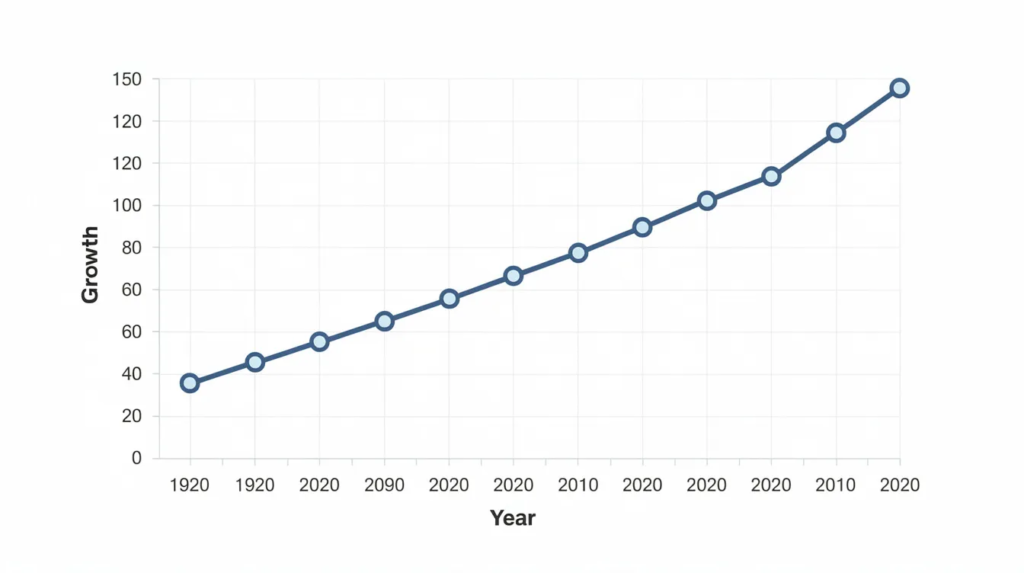
Focus on basic principles: diversification across asset classes, low fees, and long time horizons. Keeping all money in cash over decades exposes you to inflation risk—your purchasing power erodes even as your balance stays stable.
Step 7: Make your superannuation work as part of the plan
For most Australians, superannuation will be one of the largest assets by retirement age. It must be integrated into your broader financial strategy, not treated as something that just happens in the background.
Audit your super:
Log into your superannuation fund and note current balance as at 30 June 2026
Check your investment option (balanced, growth, conservative)
Review fees (administration, investment, insurance)
Confirm insurance cover held within super
Consolidation: Check for multiple super accounts from past jobs. Consolidating reduces duplicate fees but check what insurance coverage you might lose first.
Projection modelling: Use online calculators to project your likely retirement balance and retirement funds at different contribution rates. Compare retiring at 67 versus 70.
Voluntary contributions: Contributing an extra 2–3% of salary from the 2027 financial year can materially change your projected balance in 20–30 years. A 30-year-old contributing an extra $3,000 annually for 35 years could accumulate $200,000+ additional retirement savings before fees.
Step 8: Protect your plan with insurance and basic estate planning
A financial strategy only works if it can survive setbacks. Insurance and estate planning protect your financial future when life goes wrong.
Key personal insurances to review:
Life insurance (capital to dependents on death)
Total and permanent disability cover
Income protection (replaces income if unable to work)
Trauma or critical illness cover
Check what insurance policies are held inside your super—many people have adequate insurance cover they don’t realise exists.
Estate planning essentials:
Valid will specifying asset distribution
Appointed executor
Guardian nominations for minor children
Up-to-date beneficiary nominations on super and insurance
Trigger events for review: Marriage, separation, birth of a child, property purchase, or significant health diagnosis should prompt a review of both insurance coverage and estate documents.
Step 9: Plan ahead for tax efficiency
Tax planning means arranging your affairs within the law to keep more of what you earn, rather than scrambling at year-end.
Simple legitimate tactics:
Keep digital records of deductible work-related expenses (home office, professional subscriptions, uniforms)
Consider timing deductible payments before 30 June
Understand capital gains tax—holding investments for 12+ months accesses the 50% discount for individuals
Offset capital gains with capital losses
Different income types face different tax treatment. Salary is taxed at marginal rates, dividend income includes franking credits, and capital gains receive preferential treatment after 12 months.
Annual tax review: Schedule a “tax review week” in May each year to gather records, consider pre-30 June moves, and update forecasts. Use any tax refund strategically—top up your emergency fund or make an extra debt repayment rather than absorbing it into general spending.
Step 10: Implement, track, and regularly review your strategy
A personal financial plan only works when it is implemented and updated. This is where strategic planning becomes real action.
Break the plan into specific actions with deadlines:
By 31 July 2026: Open a separate savings account for emergency funds
From next payday: Set up automatic transfer of $100 per week
By 30 September 2026: List all debts and choose repayment method
Create a one-page strategy summary listing goals, target dates, and key actions. Review monthly for cash flow tracking and quarterly for longer-term goals.
Tracking method: Use a spreadsheet, budgeting app, or paper tracker with columns for planned versus actual savings, debt balances, and investment contributions.
Annual strategy day: Schedule a review each July to update your net worth, reset goals, and adjust for life changes—new jobs, relationship changes, moving cities, or external factors affecting your circumstances.
Consistency and small course-corrections over many years are what make a financial planning strategy truly effective. This is an ongoing process, not a one-time exercise.
Frequently Asked Questions about building a financial planning strategy
How often should I update my financial plan? Review cash flow monthly, check progress on longer-term goals quarterly, and conduct a thorough annual review. Major life changes—new job, relationship shifts, property purchase—should trigger an immediate review regardless of schedule.
What if my income is irregular or I’m self-employed? Use zero-based budgeting for more granular control. Average your income over 12 months and build a larger emergency fund (potentially 6–12 months of living expenses) to buffer against variable cash flow.
Is it better to save first or pay off debt first? Build a small emergency fund first (one month of essential expenses) to prevent adding debt during emergencies. Then prioritise high-interest debt while continuing to build the full emergency fund. Once high-interest debt is cleared, accelerate other debts and investments.
How much should I invest versus keep in cash? Match the timeframe to the vehicle. Money needed within two years should stay in cash or low-risk instruments. Money not needed for 10+ years can tolerate growth-oriented investments. The 50/30/20 rule suggests 20% toward savings and investments as a starting framework.
What if I start late, in my 40s or 50s? The foundational steps—budget, emergency fund, debt reduction—apply at any age. Starting later means higher contribution rates may be needed for retirement planning, but consistent action from today is more valuable than perfect action that never begins.
How Money Path can help you put this strategy into practice
Money Path helps turn these steps into a structured, ongoing financial plan. This includes modelling scenarios, aligning strategy with your income and goals, and creating a clear path forward with accountability over time.


